How to Keep Pests Out by Managing Your Outdoor Areas 🐜
Discover how your garden can attract rodents and insects
Learn which outdoor habits encourage infestations
Get expert tips to protect your home from the outside in
Your garden should be a space for peace, not pests. But overgrown shrubs, compost heaps, or unsealed bins can invite all sorts of unwanted guests — from rats and mice to ants, slugs, and flies. The good news is that a well-kept outdoor space can make a big difference in keeping your home pest-free.
Trim and Tidy to Remove Hiding Spots 🌳
Overgrown greenery makes the perfect shelter
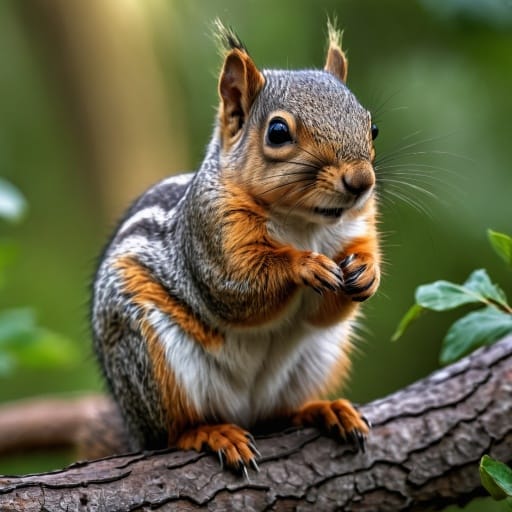
When shrubs brush up against walls or trees overshadow your windows, pests get a direct pathway into your home. Mice, squirrels and even insects use branches or overgrown ivy as bridges. Keep plants trimmed back, and never let garden beds press up against brickwork or vents.
Make sure to also keep grass short and remove piles of leaves or logs where pests can nest. If you’re moving out and want to avoid pest issues altogether, teams like End of Tenancy Cleaning London can help clean up garden debris that might have gone unnoticed.
Keep Outdoor Bins Clean and Sealed ♻️
Food smells are pest invitations
Outdoor rubbish bins are often the number one reason rodents and insects get close to your house. Keep lids tightly closed, clean bins regularly with hot soapy water, and never leave bin bags outside for long periods.
If you’ve spotted rats or insects in or around your bin area, you may need help from a professional team like All Pests Gone, who offer safe, effective treatments that won’t harm pets or the environment.
Seal Cracks in Exterior Walls and Paths 🔧
Even the smallest gaps can become entry points
Rodents, ants, and spiders only need the tiniest opening to gain access. Cracks around air bricks, window ledges, or outdoor taps should be sealed with weatherproof filler or mesh. Check any gaps in your paving slabs or decking, especially in shaded or damp areas.
For a helpful guide on sealing your home’s exterior, check out this DIY pest barrier advice from Homebuilding & Renovating.
Manage Standing Water to Deter Mosquitoes and Flies 🚿
Damp corners and containers attract flying pests
Whether it’s an old flowerpot, a children’s toy, or a blocked gutter, stagnant water quickly becomes a breeding ground for mosquitoes and midges. Check your garden after rainfall for pooling water, and empty any outdoor containers that aren’t in use.
Blocked drains or roof gutters may also contribute to damp spots. This can attract pests like slugs and cockroaches that are hard to get rid of once they’re in. If you’re unsure what’s drawing them in, book an inspection with our team at All Pests Gone for a tailored outdoor assessment.
Don’t Store Firewood or Compost Too Close to the House 🔥
Stacked wood and compost heaps attract all kinds of pests
Woodpiles and compost bins are warm, sheltered, and full of food – in other words, paradise for rodents, ants, and beetles. Keep these at the far end of your garden, well away from walls, sheds or doors. Raise them off the ground using bricks or pallets, and always keep lids secure.
Garden pests can often migrate inside when temperatures drop, so it’s wise to treat your outdoor space just as carefully as your indoor one. You’ll find more tips in this Green Garden Tips guide.
Use Natural Deterrents Where Possible 🌱
Essential oils and herbs offer chemical-free protection
Lavender, mint, citronella and rosemary are not only great for your garden, they naturally repel many insects. Planting these near windows, doors and patios is a subtle way to reduce pest interest.
You can also spray diluted peppermint or eucalyptus oil near door thresholds and outdoor seating. For lasting prevention, our specialists at All Pests Gone use integrated pest management approaches — combining natural techniques with professional treatments where necessary.
Final Thoughts 🏡
Outdoor areas are the first line of defence in pest control. From tidy shrubs to sealed bins and dry pathways, your garden habits have a direct effect on what gets inside your home. Keep things clean, well-trimmed and sealed, and you’ll stop many infestations before they start.
If you’re facing recurring pest problems or want expert help safeguarding your garden and home, All Pests Gone offers local pest control solutions tailored to your property’s outdoor space.